
Description
|
1.
|
Nocturne No. 1 in b-flat minor, Op.9/1
|
|||
|
2.
|
The Kiss
|
|||
|
3.
|
Piano Sonata No.14 in c minor, Op.457:II Adagio
|
|||
|
4.
|
Friends & Lovers
|
|||
|
5.
|
Lieder Ohne Worte, Op. 19: No. 4 in A Major
|
|||
|
6.
|
Lieder Ohne Worte, Op. 19: No. 2 in a minor
|
|||
|
7.
|
Lieder Ohne Worte, Op. 30: No. 6. in f-Sharp Minor
|
|||
|
8.
|
Fantasien, Op.116: No.4, Intermezzo in E Major
|
|||
|
9.
|
||||
|
10.
|
And of the Affections
|
|||
|
11.
|
Andante Spianato
|
|||
|
12.
|
Valldemossa
|
|||
|
13.
|
Spanish Dance No. 2
|
|||
|
14.
|
Scenes of Childhood, Op. 15: XII
|
|||
|
15.
|
The Poet Speaks
|
about
“Who you are, is where you’ve been”
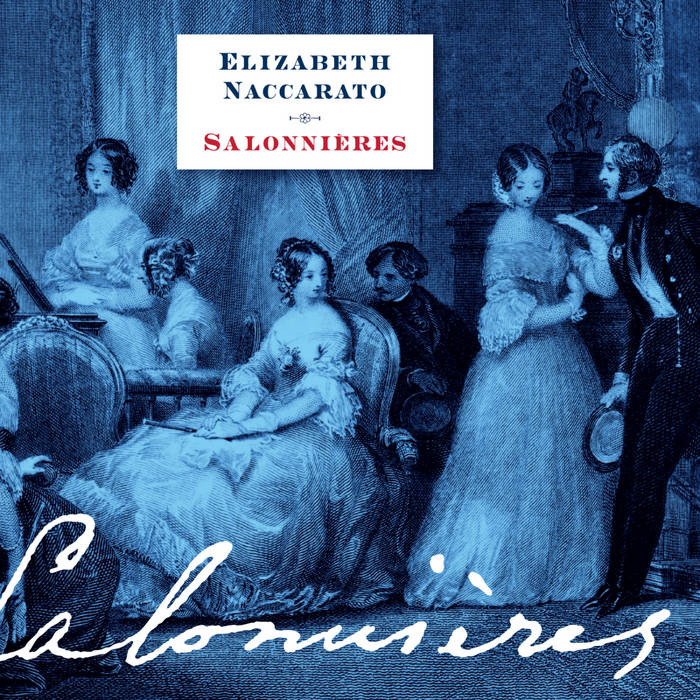
During the Enlightenment era in France, a woman referred to as a Salonnière would host salon parties in her home. She would invite and facilitate musical artists, writers and thinkers in order to engage in stimulating and inspiring discourse. Among the pianists who played at these gatherings were Frédéric Chopin, Robert Schumann, Clara Schumann, Franz List and Claude Debussy. Chopin loved performing at these intimate gatherings, as he was less fond of large public performances. He probably perfected his improvisational skills during these events, and undoubtedly wowed the guests.
My piano composing has always been inspired by The Repertoire and the great composers.
“This collection contains some of those works, as well as my compositions that were inspired by them. The alberti bass of Mozart, the appoggiaturas and suspensions of Brahms, variations of Mozart and Chopin, improvisational runs, recitatives, and meters are some of the compositional devices that are indelibly imprinted in my mind and work. I hope that you listen to this record in an intimate space, and that it gives you serenity and inspiration. Thank you for coming and engaging.
Your salonnière,
Elizabeth